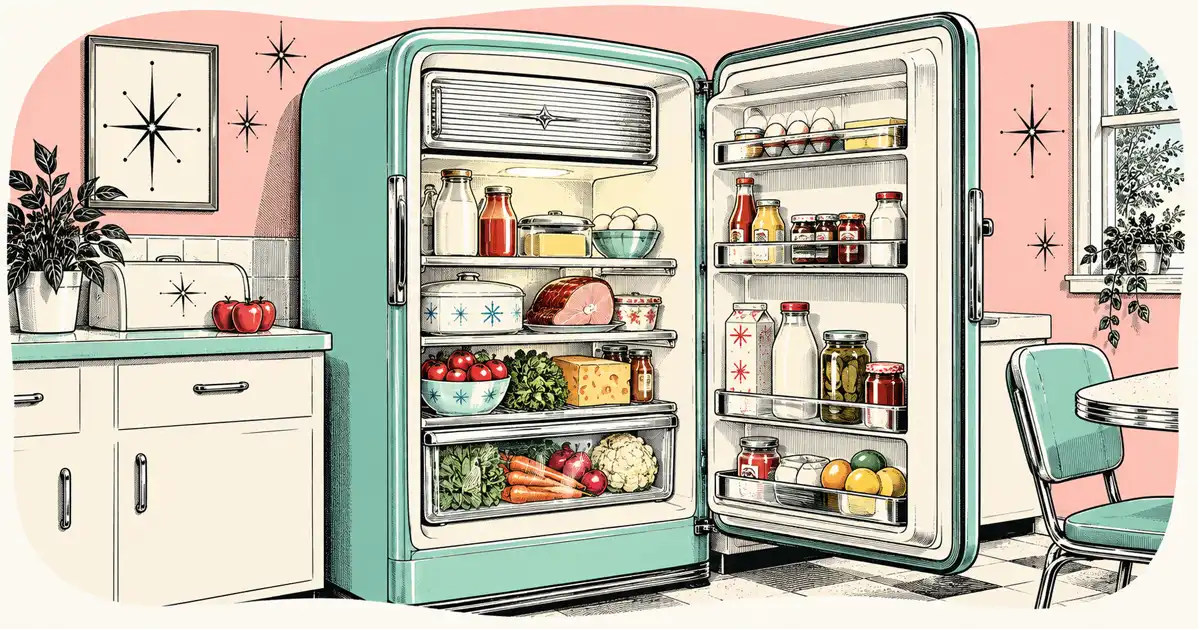
The refrigerator is easy to overlook. You wipe the counters, put away groceries, and close the door on that little patch of sticky sauce on the middle shelf. I recommend giving your fridge a quick check every week, a surface wipe about once a month, and a full clean-out every few months. Spills deserve attention right away, no matter where they land on the calendar.
Your household may need a different rhythm. A fridge used by a busy family, enthusiastic snackers, or a dedicated meal-prepper may need more frequent wipe-downs. A quiet fridge with tidy containers may need less. The aim is a clean, usable space, not a spotless appliance auditioning for a cooking show.
Every week: Do a quick check
Set aside two or three minutes before your grocery run. Look over the shelves, drawers, and door bins. Toss food that’s spoiled or past its safe storage time, and wipe up any fresh drips or crumbs. Check opened containers and leftovers, too. USDA guidance recommends checking perishable foods regularly, and its general storage advice says cooked leftovers are usually best used within four days. For specific foods, check the FoodSafety.gov cold-storage chart.
Clean a spill as soon as you spot it. This matters especially for raw meat juices, which can spread germs to other foods and surfaces. Blot up the mess with paper towels, then wash the spot with warm, soapy water and rinse it. Wash your hands afterward. A five-minute clean-up now beats an archaeological dig later.
While you’re checking, take a quick look at the refrigerator thermometer, if you have one. USDA recommends keeping the fridge at 40°F or below. If your refrigerator doesn’t show its internal temperature, an appliance thermometer can help you check it.
About once a month: Wipe the inside
A monthly wipe-down catches sticky fingerprints, crumbs, and produce drips before they spread. Move a few items at a time so the door isn’t standing open while you work. Use a clean cloth with warm water and mild dish soap, then wipe away soap residue with a damp cloth. Dry the area before putting food back.
Work from the top shelf down. Give the door bins, side walls, shelf edges, and the ledge beneath the crisper drawers a look. Those tucked-away spots collect little spills that don’t always show from the front. If something is stuck on, lay a warm, damp cloth over it for a few minutes, then wipe gently. Skip abrasive pads and strong cleaners that could damage the refrigerator’s finish or leave residues near food. Check your appliance manual if you’re unsure what’s safe for its interior.
Don’t take out cold food all at once if the wipe-down is going to take a while. Clean in sections, or keep perishables in an insulated cooler with ice packs while you work. That way, your milk isn’t warming up on the counter while you negotiate with a stubborn pickle jar ring.
Every few months: Wash the shelves and drawers
Every three months or so, make time for a more thorough clean. Take out the food, sort through it, and remove shelves and drawers that the manufacturer says are safe to remove. Wash those pieces with warm, soapy water, rinse well, and dry them before putting them back. Wipe the interior walls, ceiling, corners, and drawer tracks with a damp cloth.
Let cold glass shelves warm up a little before washing them, and follow the manual’s instructions for removable parts. Sudden temperature changes can be hard on some materials. If a shelf or drawer is awkward to remove, leave it in place and clean around it rather than forcing it.
Keep raw meat, poultry, and seafood in sealed, leakproof containers, ideally on a lower shelf where drips won’t land on ready-to-eat food. If there’s a leak, clean the affected surfaces promptly. If a product has been recalled because of possible contamination, follow the food-safety agency’s guidance for discarding it and cleaning any surfaces it touched.
Give the door seals and handles some attention
The door handle gets touched throughout the day, so wipe it during your monthly clean or whenever it looks grimy. Use the same mild soap-and-water approach, then dry it. For the rubber door seal, gently wipe along the folds with a soft, damp cloth. Don’t tug or scrub hard. A seal that’s torn, loose, or no longer closing well needs more than a cleaning; check your appliance manual or contact a repair professional.
If your refrigerator has a water or ice dispenser, clean the outside surfaces and follow the manufacturer’s instructions for the dispenser and filter. Different models have different parts, so the manual is a better guide than a one-size-fits-all trick from the internet.
Several times a year: Check the coils
Some refrigerators have condenser coils at the back or underneath. USDA recommends cleaning accessible coils several times a year to clear dust and lint. Check your appliance manual first, since coil locations and cleaning directions vary. If the coils are hard to reach, the appliance is difficult to move, or you’re not sure how to clean them safely, leave the job to a qualified professional.
Also wipe the exterior as needed. A soft cloth and mild dish soap work for many finishes, but follow the manufacturer’s directions, especially for stainless steel. If you use a product made for your appliance’s finish, try it as directed rather than mixing cleaners.
A simple schedule to keep handy
- Weekly: Check food, tidy the shelves, and wipe fresh spills.
- Monthly: Wipe the interior surfaces, door bins, handles, and seals.
- Every few months: Remove and wash shelves and drawers that are safe to take out, then clean the full interior.
- Several times a year: Check and clean accessible condenser coils according to the appliance manual.
Adjust the timing if your fridge gets heavy use or spills happen often. In a San Jose home with kids reaching for snacks all day, a quick weekly wipe may be more useful than sticking rigidly to a monthly schedule. If you want help with appliance interiors as part of your home cleaning, that’s an optional service. Learn more about the difference between a standard clean and a deep clean.
View the cleaning services and request an appointment online.